What is a Tree Preservation Order?
Should a local authority identify a specific tree, a group of trees or a woodland that needs to be protected, they can issue a Tree Preservation Order (or TPO). A Tree Preservation Order is a legal document that precludes anyone from felling, pollarding, uprooting or causing wilful damage to any tree listed under the order.
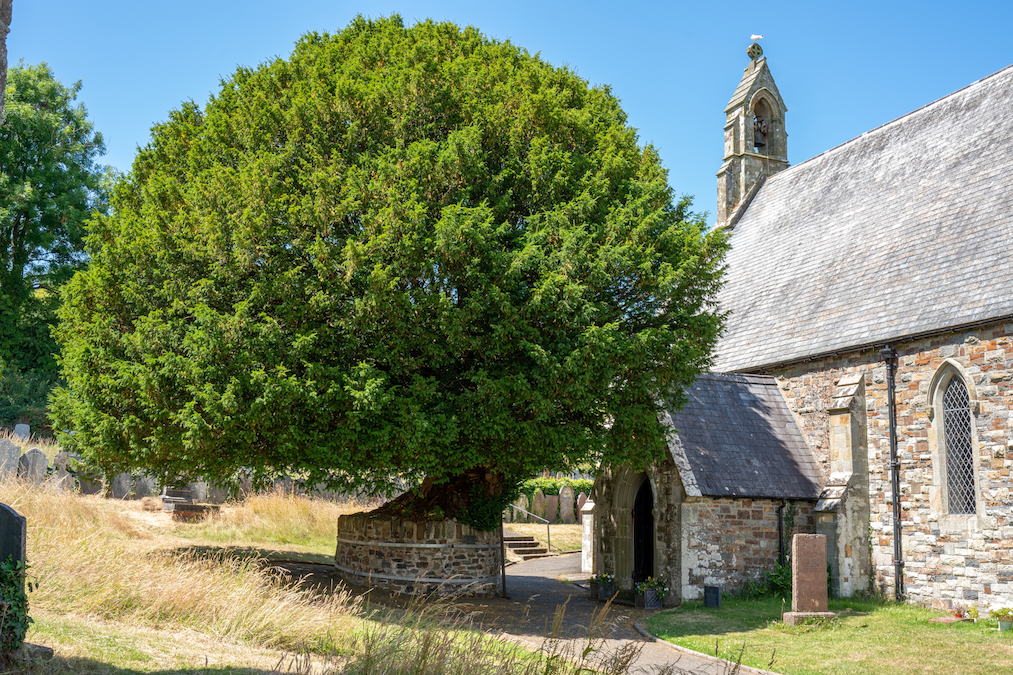
The main scope of a Tree Preservation Order is to secure the future of any tree that’s deemed to have value as a public amenity, so in order to undertake any work consent must be sought through the relevant Planning Portal. Failing to do this can result in a costly prosecution, so it’s essential to carry out the necessary research and apply through the required channels.
If a Tree Preservation Order is in place, it is illegal to:
- Fell the tree
- Uproot the tree completely
- Top or pollard the tree
- Damage or destroy the tree
Ultimately, the role of a Tree Preservation Order is to protect any tree that positively impacts its local environment, and anyone can apply for one.
The local authority will hold details on all protected trees within their locality and can provide information on them. Should you wish to carry out work on a tree, group of trees or a woodland covered by a Tree Preservation Order, consent will be needed from the local authority. Should the local authority grant consent it will need to be paid for, but it may also deny it or create a series of conditions around thee work you’re planning. If you disagree with the council’s decision, there is an opportunity to appeal via the Planning Inspectorate.
It's inadvisable to carry out work on any tree without securing consent as you’ll be breaking the law and you could receive a sizeable fine.
Shelford Tree Service are tree surgeons in Cambridge and the surrounding areas, and we have significant experience of working with trees that are subject to Tree Preservation Orders. Please call us on 01763 208361 or complete our enquiry form to seek advice or request a no-obligation quotation.